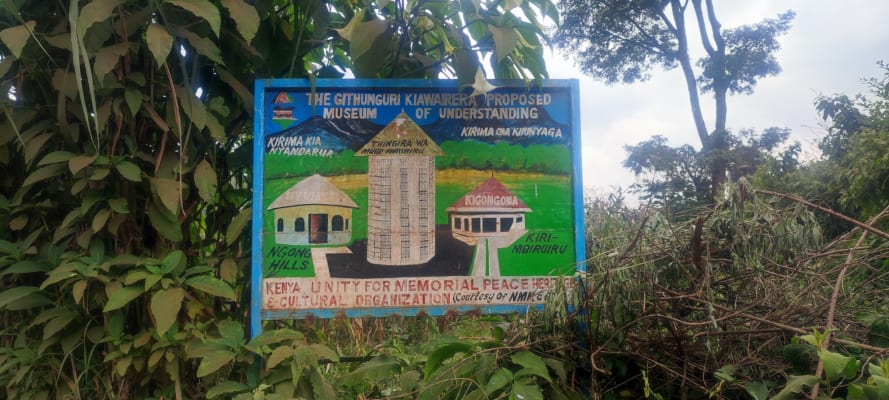
Sacred geography
A place that carries prophecy, memory, and obligation
Githunguri Kiawairera is not merely a location in Kiambu County. It stands in
Kenyan memory as a sacred chapter in the struggle for self-rule and as a site
where spiritual calling, communal sacrifice, and political imagination met.
1. The prophetic seed
Mugo wa Kibiru and the call to restoration
Long before the Teachers College was established, Mugo wa Kibiru identified
the ridge at Githunguri Kiawairera as a place of divine encounter and national
restoration. The site became a spiritual altar where the children of Mumbi and
Gikuyu gathered to sharpen resolve and seek the face of Ngai.
"Until the great Thingira wa Iregi is built in Githunguri Kiawairera and
inaugurated by the necessary ceremonies and purification rites, the country
will never be free of the ills brought by strangers, neither benefit from them."
2. The Inorero vision
The university of freedom, 1930s to 1952
Communities organized in age groups across Greater Kiambu pooled limited
resources to purchase fifty-eight acres and establish the Kenya Teachers College
at Githunguri. This was more than a school. It was an indigenous place of
sharpening, intellectual resistance, and cultural confidence.
- The land is identified in the source document as LR No. Githunguri/Githunguri/463.
- The site functioned as a Pan-African meeting point for anti-colonial thought.
- Leaders named in the source include Jomo Kenyatta, Mbiyu Koinange, Julius Nyerere, Kwame Nkrumah, and Kabaka Mutesa II.
3. The altar of sacrifice
The State of Emergency and the Gallows
When the State of Emergency was declared in 1952, the college was closed and
the land was swept into the violence of repression. The source document records
that thirty-nine freedom fighters were executed at the Githunguri Gallows
between 1953 and 1954.
Veterans entering the forest carried a vow of return and thanksgiving:
"Ngai mbara ino turathii ita Nawe... Twahotana nitugacoka haha Tukurutire
igongona ria ng'atho."
4. The long wait
The KUMPHCO mandate after independence
The document describes a double tragedy after independence: veterans remained
dispossessed of communal land while the sacred altar remained unrestored.
KUMPHCO emerged to contest that silence through legal, administrative, and
heritage work.
- In 2011, Gazette Notice Nos. 244 and 245 recognized the site as a protected national monument.
- The trust continues to pursue historical redress and cultural restoration.
- The mission includes preparing for the restoration of the Thingira wa Iregi and Kigogona kia Ngai.